
Introduction
Automatic gates have become a hallmark of modern convenience and security. For homeowners and businesses across Sydney, an automatic gate system offers a seamless combination of privacy, safety, and curb appeal. Whether you’re upgrading an existing entrance or planning a brand‑new installation, understanding the different types of automatic gates—particularly timber and aluminium—is vital. This comprehensive guide explores everything you need to know about automatic gate services in Sydney: from the benefits and features of timber and aluminium gates to installation, maintenance, costs, and tips for choosing a reliable service provider.
Why Choose Automatic Gates?
Automatic gates, also known as electric or motorised gates, provide several advantages compared to manual entry gates:
- Enhanced security – Automatic gates discourage unauthorised entry and can be integrated with intercoms and CCTV. They act as a physical barrier that is harder to force open, giving you greater control over who accesses your property.
- Convenience – Electric gates eliminate the need to manually open and close the gate, which is especially useful during bad weather or when you’re arriving home in your car. With remote controls, smartphone apps, or keypad entry, you can operate the gate without leaving your vehicle.
- Property value – A well‑designed automatic gate can improve the overall aesthetic of your property. Potential buyers often view such gates as an upgrade, increasing your home’s value.
- Customisation – Automatic gates come in various styles, materials, and sizes, so they can be tailored to complement your home’s architecture and landscape. You can also choose between sliding, swing, and cantilever designs depending on space and terrain.
- Safety for families and pets – By restricting access and providing a secure perimeter, automatic gates help protect young children and pets from wandering out onto busy streets.
For Sydney residents, where urban density and suburban sprawl create varied property sizes and layouts, having an automatic gate that suits local conditions is crucial. The city’s climate also affects material choice and maintenance requirements, making it important to select gates built to withstand coastal weather and heavy use.
Types of Automatic Gates
Before diving into timber and aluminium gates, it’s helpful to understand the main types of gate configurations that automatic systems can adopt:
- Sliding gates – Sliding gates operate along a track and are ideal for properties with limited frontage or a steep driveway. They are efficient in windy areas since they have less surface area to catch the wind.
- Swing gates – Swing gates open inwards or outwards like a traditional door. They are often chosen for their classic look and require flat, even ground. Space is needed for the gates to swing.
- Cantilever gates – Similar to sliding gates, cantilever gates do not require a ground track; instead, they are supported by counterweights and rollers. This design is great for uneven or gravel surfaces where a track might get clogged.
Within these configurations, the choice of material plays a significant role in the gate’s appearance, durability, and cost. Timber and aluminium are two of the most popular options in Sydney due to their distinct benefits and suitability for different property styles.
Timber Automatic Gates
Benefits of Timber Gates
Timber gates are known for their natural beauty and timeless appeal. Here are some key advantages of choosing a timber automatic gate:
- Aesthetic warmth – Timber offers a warm and welcoming look, complementing traditional and modern homes alike. It can be stained or painted to match the surrounding environment or left natural for a rustic effect.
- Customisable design – With timber, you can create intricate designs and unique shapes. It can be carved, joined, and finished in ways that other materials cannot, allowing for creative freedom.
- Eco‑friendly – Responsibly sourced timber is a renewable resource. Many homeowners appreciate the sustainability factor of wooden gates when harvested from well‑managed forests.
- Noise reduction – Solid wooden gates can dampen road noise, making them beneficial if you live near busy streets or highways. This added privacy can improve your quality of life.
Considerations for Timber Gates
Although timber provides numerous benefits, there are some important considerations to weigh when selecting timber for your automatic gate:
- Maintenance – Wooden gates require regular maintenance to retain their beauty and structural integrity. You’ll need to apply paint or sealant periodically to protect the wood from moisture and UV rays. In humid or coastal environments, timber is vulnerable to rot and termite damage, so ongoing upkeep is essential.
- Weight – Timber gates are heavier than aluminium gates, which means they require stronger motors and hardware. The extra weight can also affect the gate’s operating speed.
- Cost – Quality hardwood, such as cedar or teak, tends to be more expensive than aluminium. Factor in the cost of finishing and maintenance, and timber gates can have higher long‑term costs.
Best Timber Species for Sydney Gates
Sydney’s climate ranges from humid subtropical to temperate, with coastal areas exposed to salt and moisture. Choosing the right timber species for these conditions is important. Popular options include:
- Cedar – Naturally resistant to rot and insects, cedar is lightweight compared to other hardwoods. It holds up well in Australian climates and can be stained in various tones.
- Merbau – Also known as Kwila, Merbau is durable and popular for decking and outdoor structures. It has a rich red‑brown hue and is relatively stable in humid conditions.
- Treated pine – Pressure‑treated pine is economical and can be stained or painted easily. While not as naturally durable as cedar or merbau, proper treatment helps it resist termites and decay.
- Teak – This premium wood is prized for its water resistance and longevity. Teak is expensive but known for its elegant appearance and minimal maintenance needs.
Timber Gate Designs
Design flexibility is one of timber’s greatest strengths. Here are some common design styles:
- Vertical slatted gates – These gates consist of vertical boards spaced evenly or with slight gaps. They provide privacy while allowing light and airflow through. Slatted designs can be contemporary or traditional depending on spacing and finish.
- Solid panel gates – Made from wide timber planks, these gates offer maximum privacy and noise reduction. Solid panel designs often suit classic and heritage‑style homes.
- Picket gates – Picket gates are similar to picket fences, with spaced‑out boards that add a charming, country feel. Automatic picket gates can be used for smaller driveways or garden entrances.
- Custom designs – Timber allows for custom carvings, laser‑cut features, or decorative cut‑outs. You can integrate motifs or patterns that reflect your personal style or coordinate with other features on your property.
Motor and Automation for Timber Gates
Because wooden gates are heavier, it’s important to select a motor that can handle the load. Gate automation specialists in Sydney typically recommend motors with high torque and smooth start/stop mechanisms to ensure a quiet, efficient operation. You should also consider the following:
- Safety devices – Photocells and safety edges prevent accidents by stopping the gate if an object is detected in its path. These are especially important for heavy timber gates to avoid injury or damage.
- Battery backups – In case of power failures, a battery backup ensures your gate remains functional. Given Sydney’s occasional storms, this is a practical accessory.
- Remote control options – Choose from handheld remotes, smartphone apps, keypads, and intercom systems. This allows you to control the gate from inside your home or vehicle.
Aluminium Automatic Gates
Benefits of Aluminium Gates
Aluminium is a lightweight, durable material that offers an attractive alternative to timber. Here are the main reasons homeowners and businesses in Sydney choose aluminium gates:
- Low maintenance – Aluminium does not rust, rot, or warp. A powder‑coated finish can keep the gate looking new for years with minimal upkeep. Occasional cleaning with soapy water is usually sufficient.
- Durability – Aluminium is corrosion‑resistant, making it ideal for coastal areas exposed to salt air. It stands up well to Sydney’s climate and daily wear.
- Lightweight – The lighter weight reduces strain on motors and hardware. This results in faster opening and closing times and potentially lower energy consumption.
- Wide range of colours and finishes – Modern powder coating techniques allow you to choose from a vast colour palette. Aluminium gates can mimic the look of wrought iron or even timber grain with the right finish.
- Cost‑effective – While high‑end aluminium gates can be expensive, there are many affordable options. They typically offer better value over time due to reduced maintenance costs.
Considerations for Aluminium Gates
Although aluminium is an excellent choice for many properties, keep these factors in mind:
- Less traditional look – Some homeowners prefer the warmth of timber. However, decorative aluminium designs can still provide a classic feel, and wood‑look finishes are available.
- Sound conduction – Aluminium gates can rattle if not installed securely. Proper installation with robust hinges and rollers prevents this issue.
- Repairs – While aluminium is strong, it can dent under heavy impact. Repairs may involve replacing entire panels, which could be more costly than filling minor cracks in timber.
Popular Aluminium Gate Designs
Aluminium gates come in a variety of styles and configurations, such as:
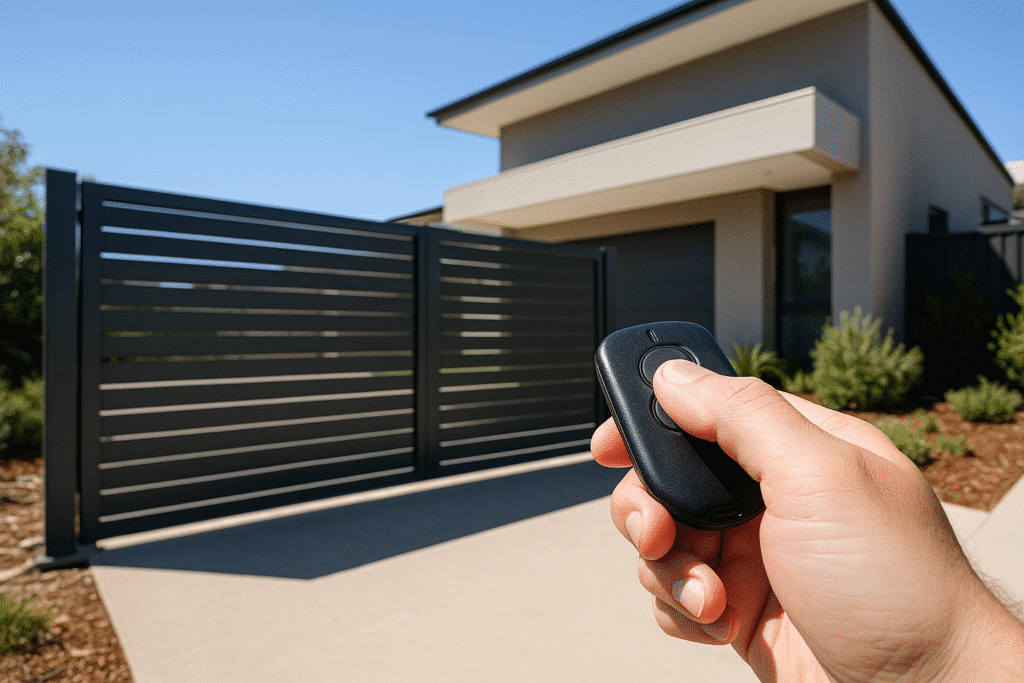
- Flat‑top slats – Clean and modern, this design features horizontal or vertical slats. With adjustable spacing, you can decide how much privacy you want.
- Louvre gates – Similar to louvre shutters, these gates allow airflow while providing privacy. They’re a great choice for pool areas or contemporary homes.
- Panelled gates – Solid aluminium panels offer maximum privacy and can be customised with cut‑outs, laser patterns, or other decorative features.
- Ornamental designs – Aluminium is flexible enough to be moulded into curved patterns or classic wrought‑iron lookalikes. For heritage homes, ornamental aluminium gates can complement architectural details.
Motors and Automation for Aluminium Gates
Because aluminium gates are lighter, they often require smaller motors than timber gates. Nevertheless, choose a motor that suits the size and weight of your gate and allows for reliable operation. Consider these features:
- Soft start and soft stop – This feature ensures the gate accelerates and decelerates smoothly, reducing wear on mechanical parts.
- Integrated safety – Photocells and obstacle detection sensors are crucial for all automatic gates. For lighter aluminium gates, these prevent damage from accidental collisions.
- Remote access – Remote controls, mobile apps, and intercoms make it easy to operate your gate from anywhere. Some systems integrate with smart home platforms and security systems.
Choosing Between Timber and Aluminium
When deciding between timber and aluminium automatic gates, consider the following factors:
- Aesthetic preferences – If you appreciate natural warmth and rustic charm, timber is a compelling choice. On the other hand, aluminium delivers sleek, modern lines and versatile colour options.
- Maintenance commitment – Timber requires regular upkeep, including painting, staining, and termite treatment. Aluminium’s powder coating typically needs only occasional cleaning.
- Budget – Initial costs and long‑term maintenance expenses differ. Hardwood timber gates can cost more upfront but may appeal to buyers who value natural materials. Aluminium often has lower ongoing costs.
- Durability and climate – Aluminium holds up better in wet, salty conditions. Timber can last for decades if properly maintained but may be vulnerable near the coast.
- Weight and motor requirements – Timber gates are heavier, necessitating stronger motors and hardware. Aluminium’s lighter weight generally means less strain on automation components.
Ultimately, the right choice depends on your property’s style, budget, and personal preferences. Many homeowners in Sydney opt for aluminium gates for practicality, while those seeking a more traditional look may choose timber, accepting the additional maintenance required.
Installation of Automatic Gates
Once you’ve selected a gate material and design, proper installation is critical to ensure safe, long‑lasting operation. Here’s what to expect during the installation process:
- Site assessment – A professional gate installer will visit your property to measure the entrance, evaluate the driveway slope and terrain, and identify any obstructions or underground utilities. This assessment informs the gate design and motor requirements.
- Design and planning – You’ll finalise the gate design, material, colour, and finishing touches. The installer will also help choose the appropriate automation system based on gate weight, usage frequency, and power supply.
- Foundation work – For sliding gates, a concrete pad is prepared for the track or cantilever hardware. For swing gates, footings are poured for the hinge posts. Accurate alignment is essential to prevent strain on the motors.
- Gate fabrication – The gate itself may be built off‑site in the manufacturer’s workshop. Timber panels are cut, sanded, and sealed or painted. Aluminium gates are welded, powder‑coated, and assembled.
- Installation – The gate is delivered to your site and attached to posts or tracks. The motor is mounted securely, and electrical connections are made. For rural properties, solar power may be an option.
- Testing and programming – The installer programs the gate motor’s opening and closing limits, sets up remotes or keypads, and checks safety features. They will also instruct you on how to operate and maintain the gate.
Hiring a professional with experience in automatic gate installation is crucial. DIY installations can lead to safety hazards, misaligned gates, or premature motor failure. In Sydney, ensure your installer complies with relevant Australian Standards, such as AS 1926.1 for pool safety and AS/NZS 3000 for electrical installations.
Maintenance and Care
Regular maintenance is essential to keep your automatic gate functioning safely and efficiently, regardless of material. Here’s a basic maintenance checklist:
- Clean and inspect – Periodically wash the gate to remove dirt and debris. Inspect hinges, rollers, and hardware for signs of wear.
- Lubricate moving parts – Apply lubrication to hinges, bearings, and rollers as recommended by your installer. Use silicone‑based lubricants for aluminium and appropriate oil for timber gate hardware.
- Check safety features – Test photocells, pressure edges, and obstacle detection sensors regularly to ensure they’re working correctly. Replace or repair malfunctioning components immediately.
- Monitor motor performance – Listen for unusual noises or strain during operation. Contact a technician if the gate opens or closes slower than usual or gets stuck.
- Refinish timber – For wooden gates, repaint or re‑stain every few years, depending on exposure. Keep an eye out for signs of rot or termite activity.
Scheduling professional maintenance every 12–18 months is recommended. A qualified technician can identify potential issues before they lead to major repairs, saving you time and money in the long run.
Cost of Automatic Gate Services in Sydney
The price of installing an automatic gate in Sydney can vary widely depending on material, design, size, automation system, and site conditions. Below is a general cost breakdown for common scenarios (note that these figures are estimates and subject to change):
- Standard aluminium sliding gate (5–6 metres) – From $3,500 to $7,000, including gate fabrication, motor, track, and installation. Powder coating, design complexity, and access controls (e.g., intercoms) can increase the price.
- Premium aluminium gate with custom design – $7,000 to $12,000+, especially for decorative or large gates. Additional features like integrated lighting or smart connectivity also raise costs.
- Hardwood timber gate (swing or sliding) – $4,500 to $10,000. Prices vary based on timber species, panel design, and thickness. High‑quality hardwood increases the cost.
- Motor and automation system – Basic motors start around $500, while high‑powered units can exceed $2,000. Battery backups, smartphone connectivity, and advanced safety features also influence the total cost.
- Installation and site preparation – This can range from $1,000 to $3,000 depending on driveway conditions, ground works, and electrical wiring.
Keep in mind that maintenance and repairs are additional expenses over the gate’s life. Timber may require more frequent refinishing, while aluminium generally has lower ongoing costs.
Choosing a Gate Service Provider in Sydney
Finding the right installer is as important as choosing the gate material. Here are some tips to ensure you select a reputable automatic gate service in Sydney:
- Experience and specialisation – Look for companies with a proven track record installing automatic gates similar to your desired design. Specialists understand the local climate and regulations.
- Licensing and insurance – Ensure the installer holds appropriate licences for structural and electrical work. They should also carry public liability insurance to protect you during the project.
- Quality of materials – Ask about the source of timber or aluminium and confirm that it meets Australian Standards. Reputable installers use high‑quality components from recognised manufacturers.
- Warranty and after‑sales service – A solid warranty shows confidence in workmanship and materials. Ask about post‑installation support, emergency repairs, and maintenance packages.
- References and reviews – Seek testimonials or references from previous clients. Online reviews can provide insight into reliability, professionalism, and customer service.
- Clear, detailed quote – A professional installer provides a comprehensive quote outlining all costs, including materials, labour, and accessories. Be wary of unreasonably low bids, as they may cut corners on safety or quality.
Regulations and Safety Standards
Automatic gates are subject to safety regulations and standards to protect users and bystanders. In Sydney and across Australia, compliance with the following guidelines is important:
- AS 1926.1 – Swimming pool safety – If your gate forms part of a pool barrier, it must meet specific height, latch, and self‑closing requirements to prevent unauthorised access.
- AS/NZS 3000 – Electrical installations – Electrical work must be carried out by licensed electricians in accordance with Australian wiring rules.
- AS 4505 – Automatic sliding gates and drive units – This standard provides safety requirements for sliding gates, including safety sensors and fail‑safe operation.
Additionally, some local councils in Sydney may have specific requirements regarding gate placement, setback distances, and maximum heights. Consult your local council or installer to ensure compliance before starting your project.
Common Issues and Troubleshooting
While professional installation and maintenance reduce the risk of problems, occasional issues can arise. Here are some common automatic gate problems and troubleshooting tips:
- Gate stops mid‑way – Check for obstructions on the track or swing path. Inspect photocells and safety sensors for dirt or misalignment. Also verify the gate’s limit settings on the motor.
- Remote control not working – Replace the battery in your remote. If the problem persists, re‑pair the remote with the motor or check for interference from nearby devices.
- Motor runs but gate doesn’t move – The gate may have disengaged from the drive mechanism. Ensure manual release levers are closed and the motor’s clutch settings are correct.
- No power – Verify that the circuit breaker for the gate motor hasn’t tripped. For solar‑powered gates, ensure panels are clean and batteries charged.
- Gate is noisy – Lubricate hinges, rollers, and chains. Check for worn parts and replace them if needed. Excessive noise may indicate misalignment or mechanical strain.
If a problem doesn’t resolve easily, contact a qualified gate technician. Attempting complex repairs yourself could void your warranty or create safety hazards.
Conclusion
Automatic gates are more than just a stylish addition to your property; they enhance security, convenience, and curb appeal. In Sydney’s diverse landscape, timber and aluminium gates offer homeowners and businesses flexible options tailored to climate, aesthetics, and budget.
Timber gates provide natural warmth and customisable beauty, while aluminium gates deliver low maintenance and modern appeal. Both materials require careful consideration of installation, automation systems, and long‑term care. Working with an experienced automatic gate service provider ensures your gate functions reliably and meets all safety standards.
Whether you select the classic charm of timber or the sleek resilience of aluminium, investing in a quality automatic gate will reward you with years of comfort, security, and value. If you’re ready to enhance your property in Sydney, consult a local specialist, compare quotes, and start planning your perfect gate today.